
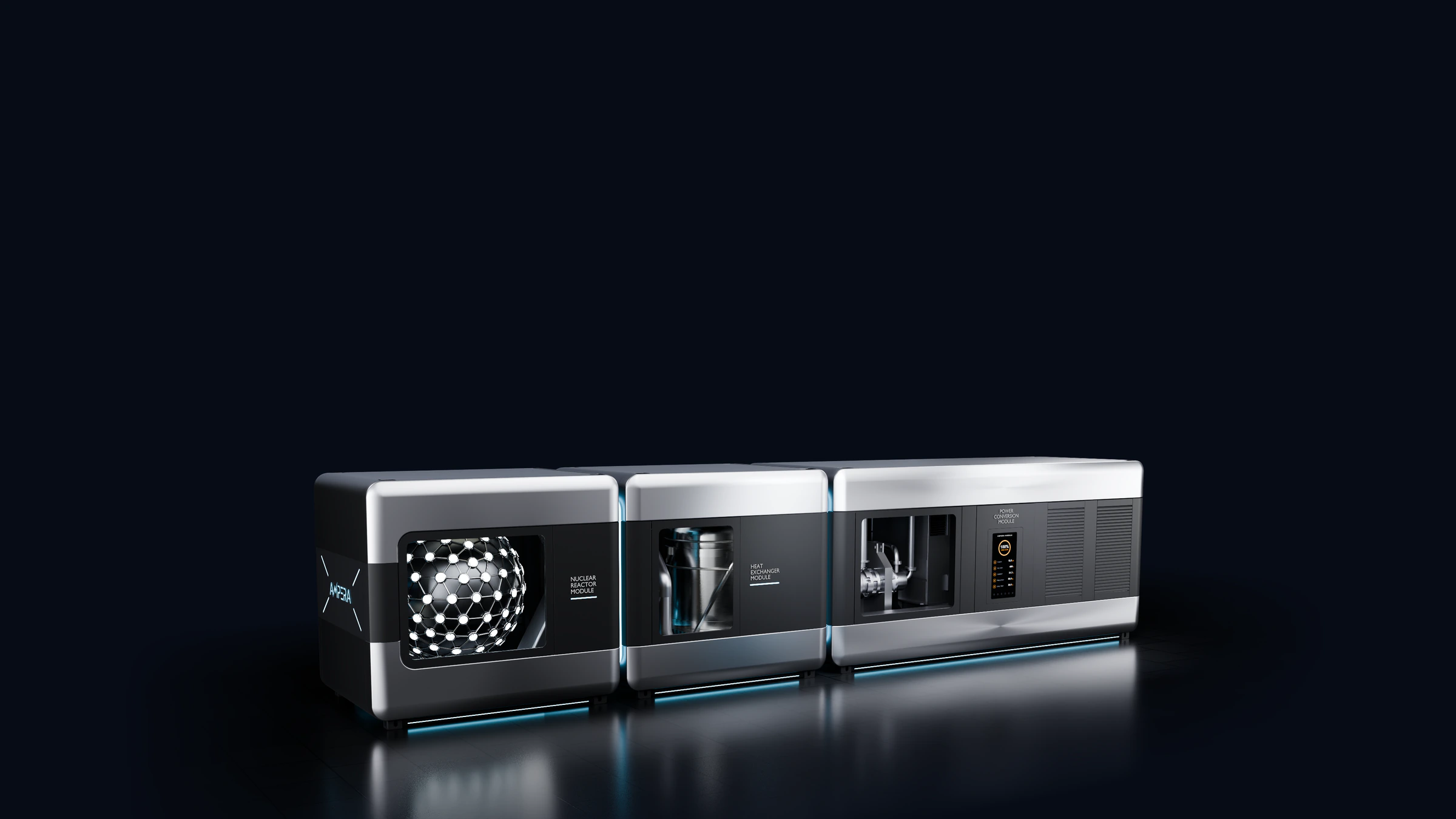
PowerNOW · commercially available 2027
Factory-built sCO2 power with conventional fuel today. A sealed thorium core on the same platform tomorrow. No stranded asset.
The constraint
Compute is scaling faster than the grid can connect it. Power must dynamically respond to electric load demand.
2035 projected shortfall
1,574
TWh, about 180 GW continuous
Usage grows 64%, generation 26%. AI load alone adds 1,100 TWh, slightly more than all projected U.S. generation growth.
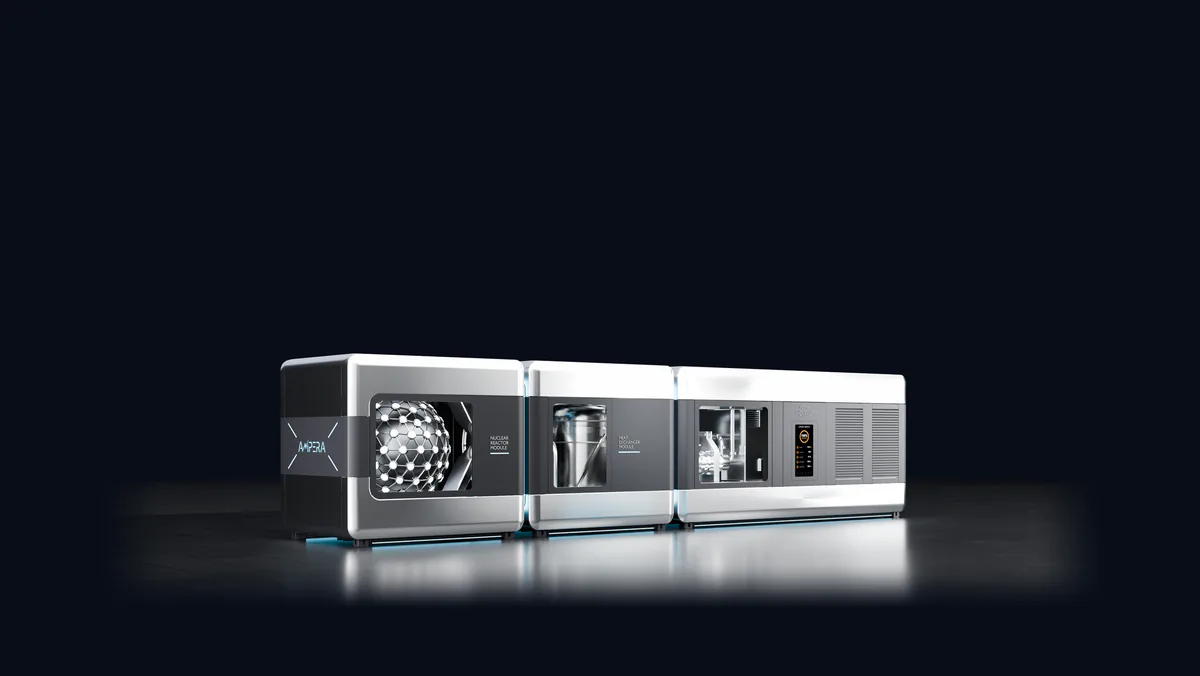
The nuclear module. In the round.
0°Rotation
Thorium fuel core
A 3D-printed, solid-state thorium core inside a shielded RPV. No refueling for a target of up to 30 years.
Same power block. Swap the heat source.
Deploy PowerNOW with conventional fuel today. When the nuclear module is licensed, it replaces the thermal module. Same power block, same site, same interconnect.
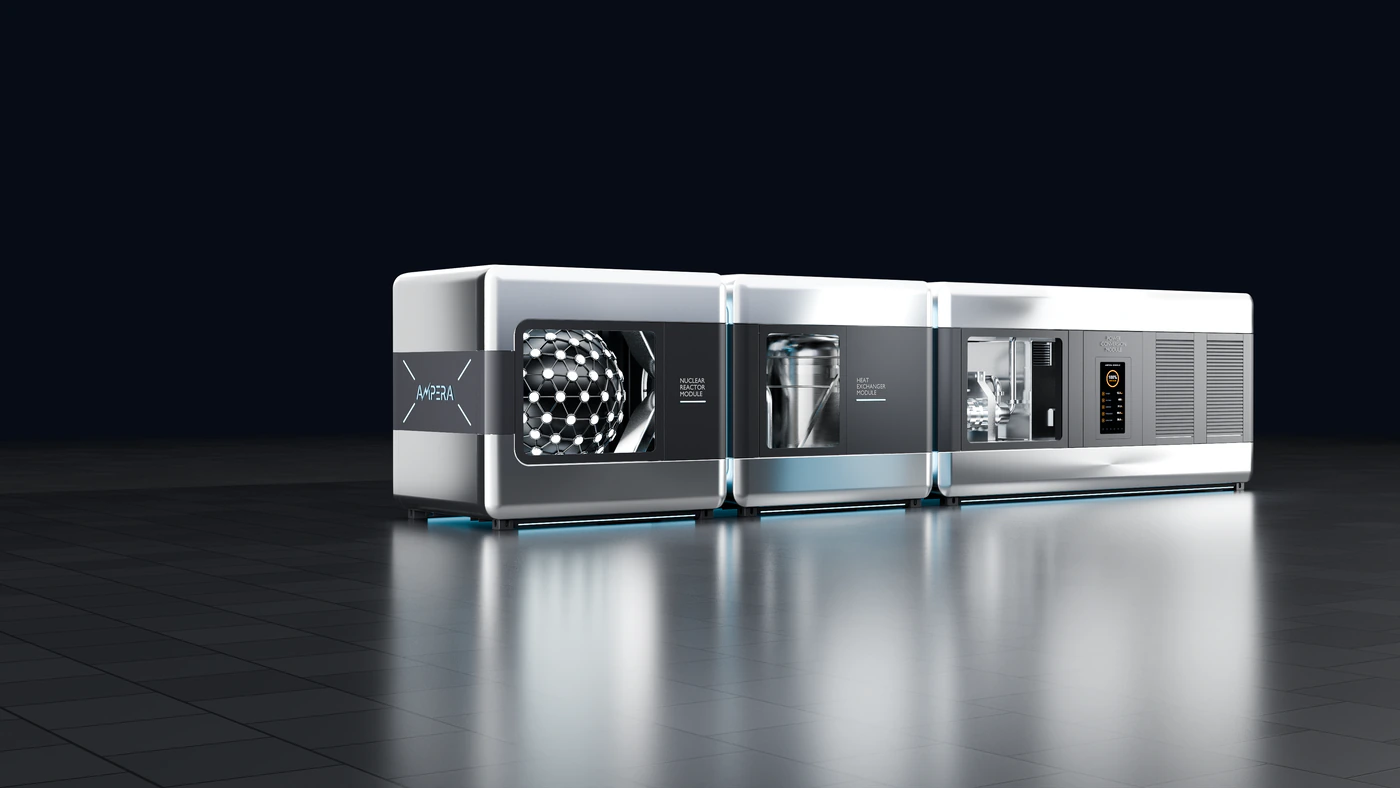
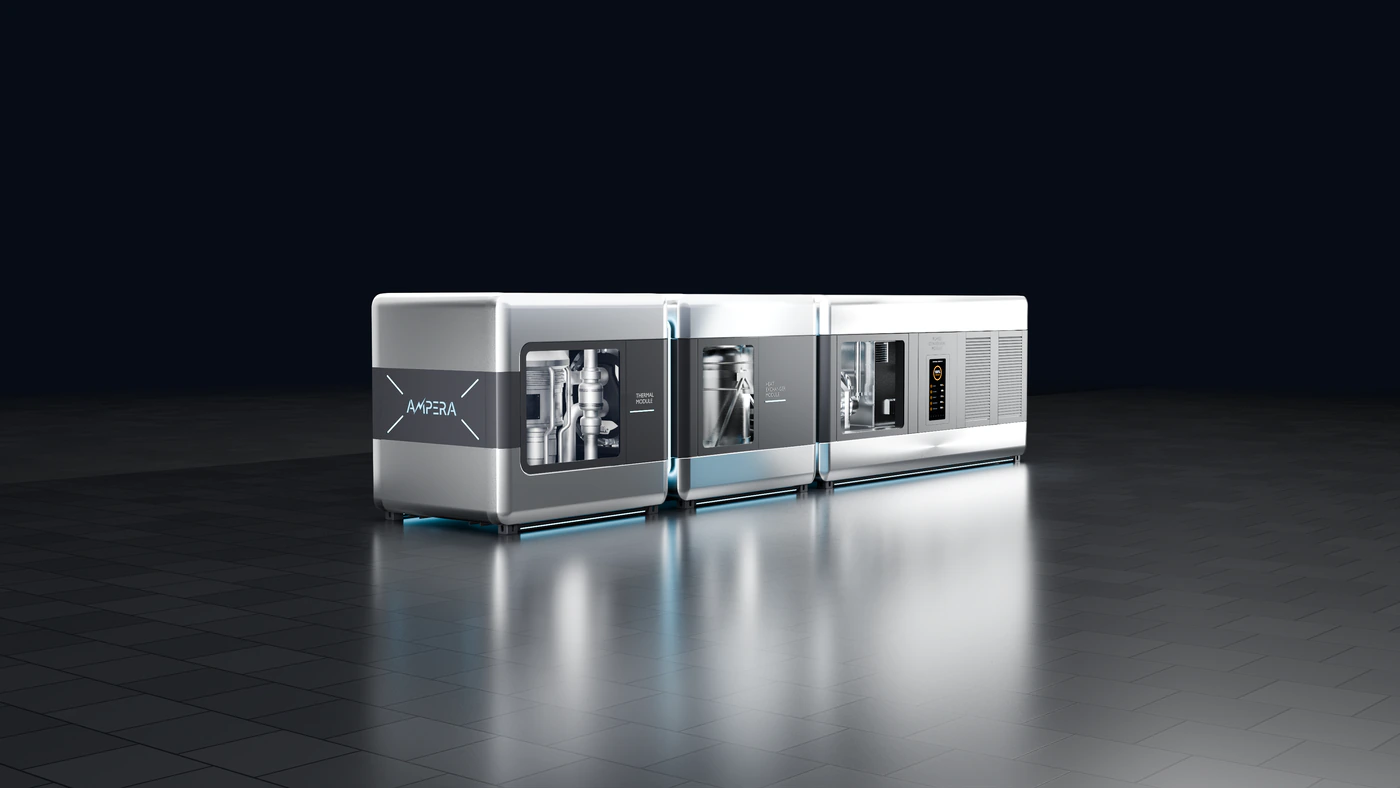
Firm power where the grid can't reach.
Containerized, factory-built, rapidly deployable. One product line for four markets.
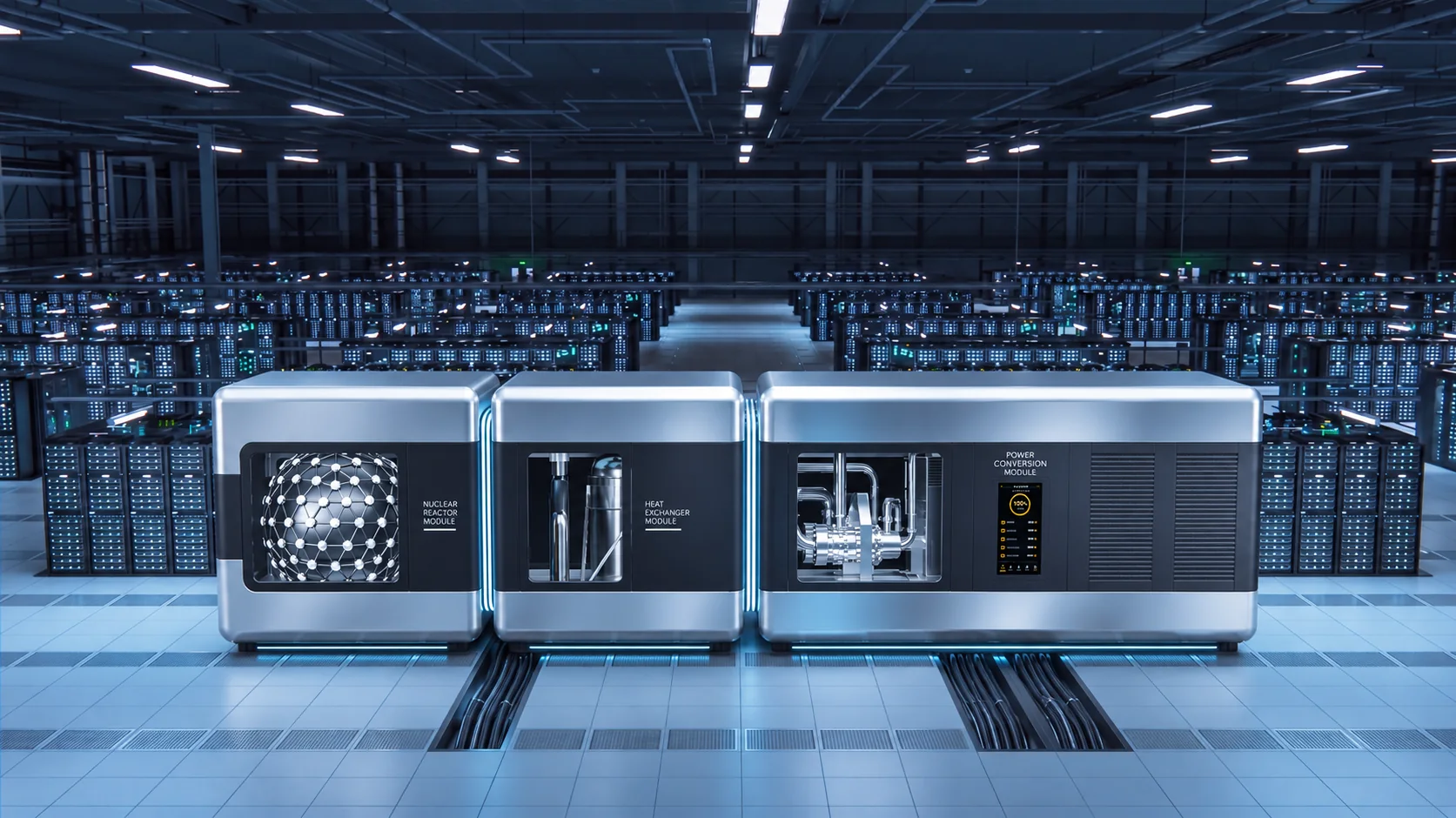
Data centers
Firm, efficient baseload for edge and hyperscale compute, up to multi-GW campuses.
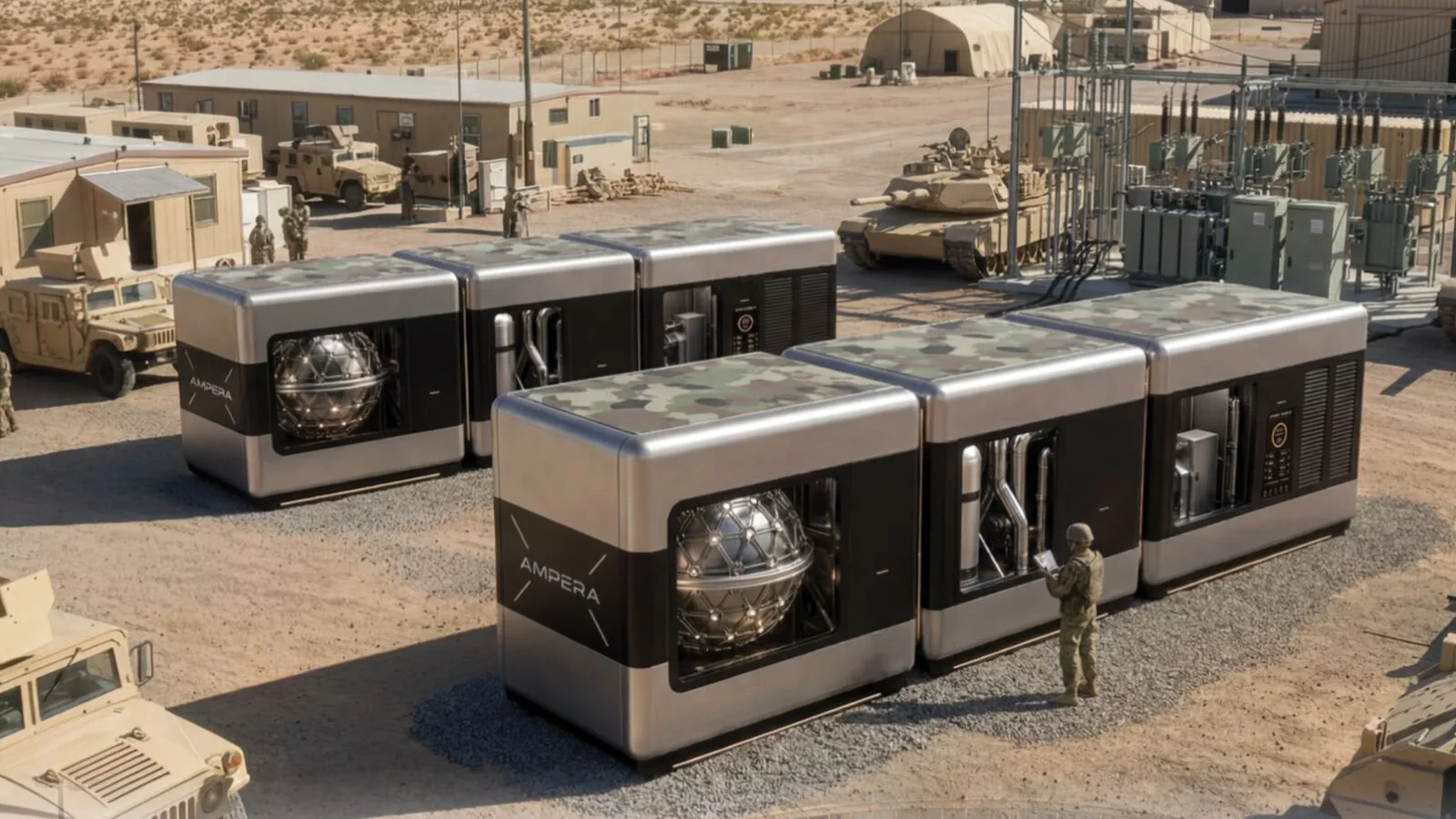
Defense
Deployable microgrids for field operations and critical infrastructure.
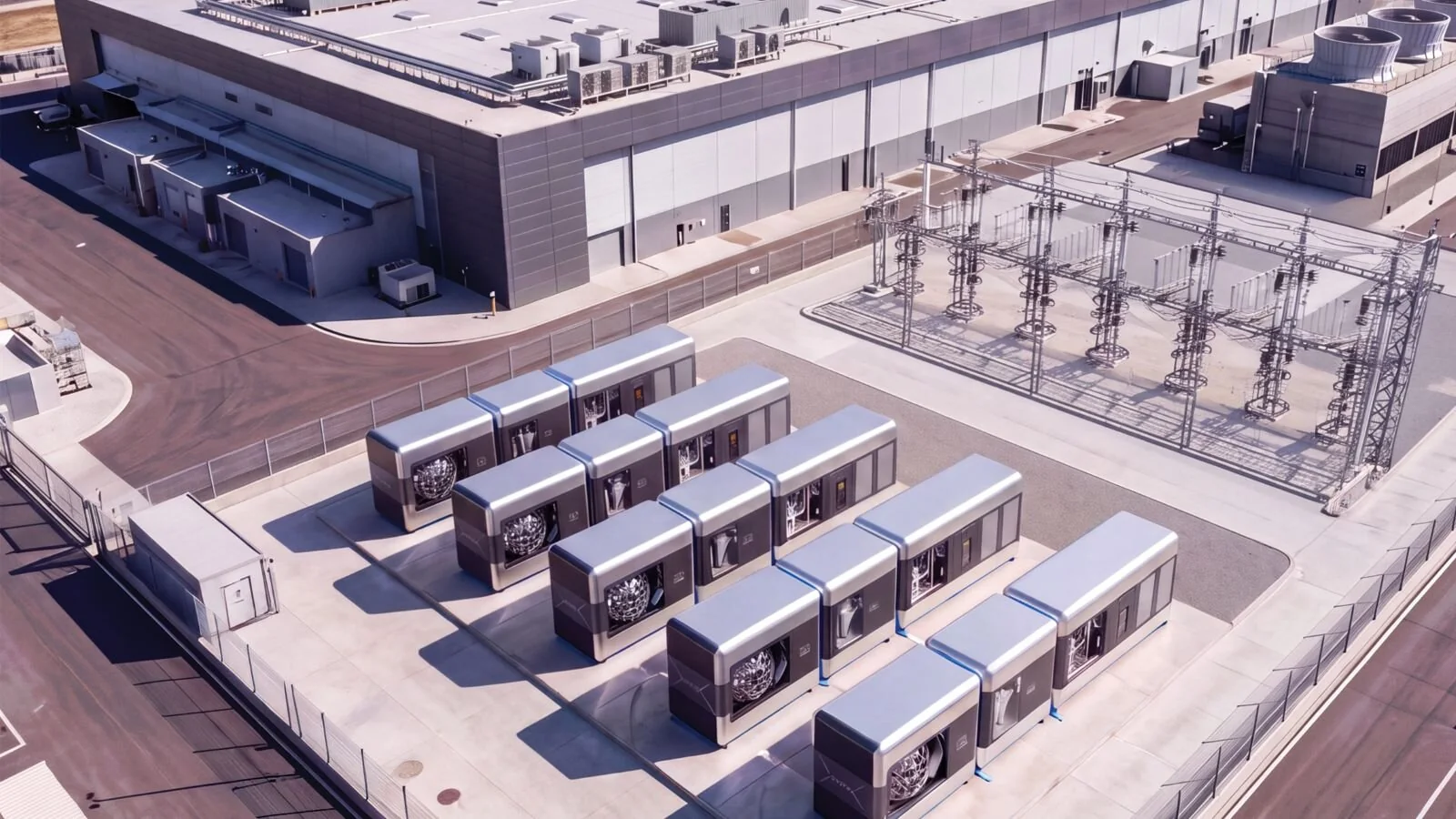
Industrial
Reliable on-site power for heavy industry and remote, off-grid sites.
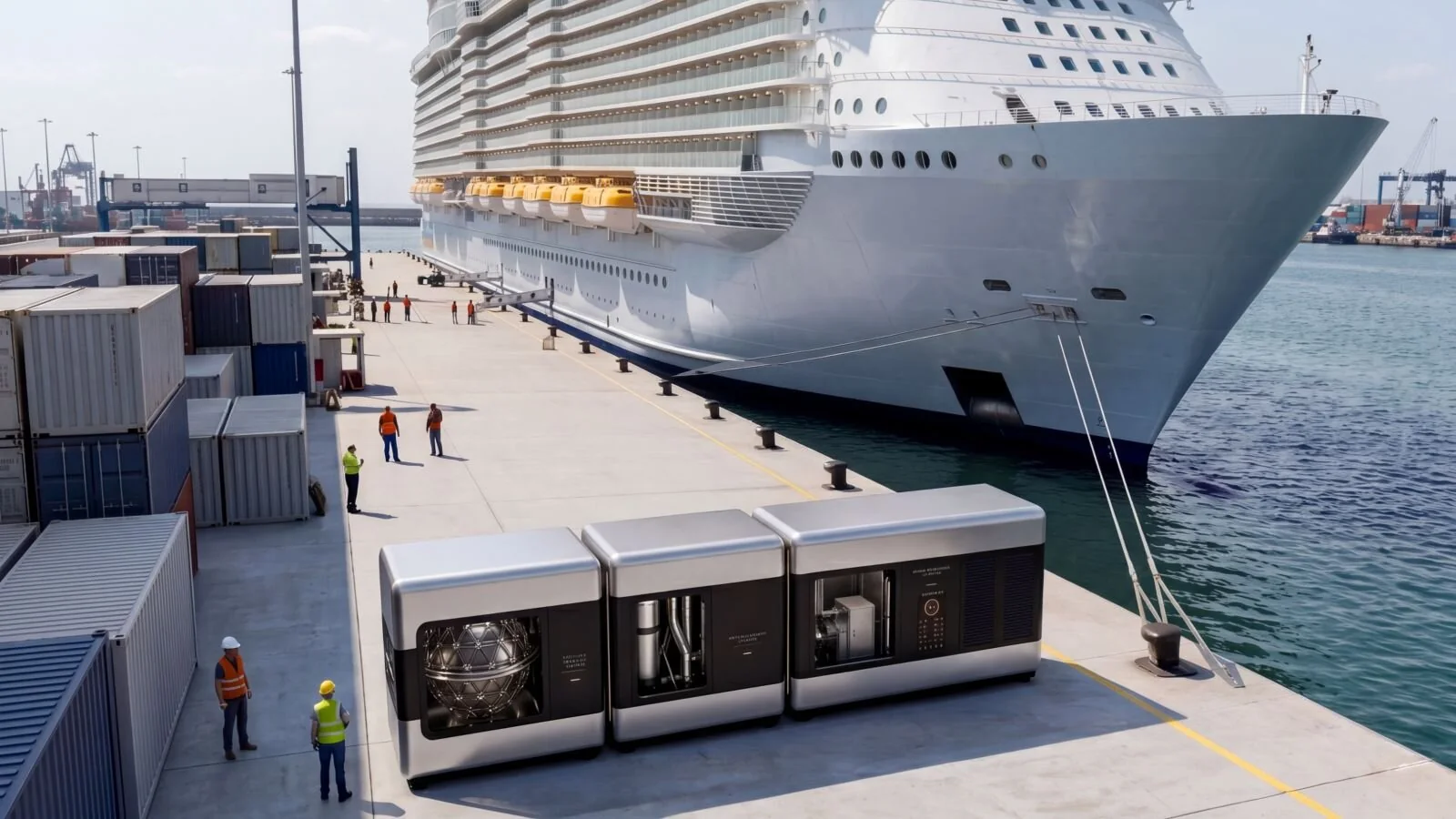
Maritime
Dockside, floating barge and vessel propulsion power.
Nuclear next
A reactor you
never refuel.
The first full-scale 3D-printed nuclear reactor module: solid state, built around a proprietary gyroid structure with microchannels. It runs subcritical, driven by an external neutron source, so it switches on and off instantly and is passively safe.
- Output
- 7.5 / 15 MWe
- Efficiency target
- >50%
- Life, no refueling
- Target up to 30 years
- Architecture
- Subcritical
- Fuel
- Thorium TRISO with fissile seed
The power block · sPower
Reinventing power conversion.
Closed-loop supercritical CO2 replaces the steam Rankine cycle with a high-temperature Brayton cycle. Compact, water-free, quieter, and agnostic to its heat source. Future-proofed for fission and fusion.
- System efficiency
- 50–60%
- Size reduction
- 50%, via additive manufacturing and nickel superalloys
- Heritage
- 20 years of R&D, thousands of operating hours
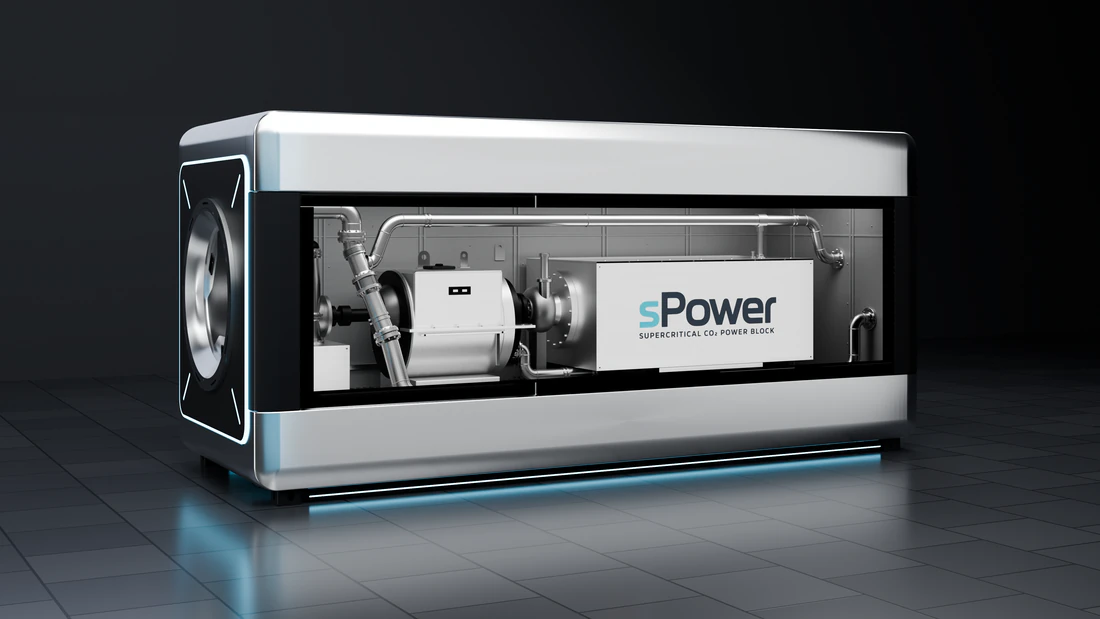
Built on a line. Shipped on a truck.
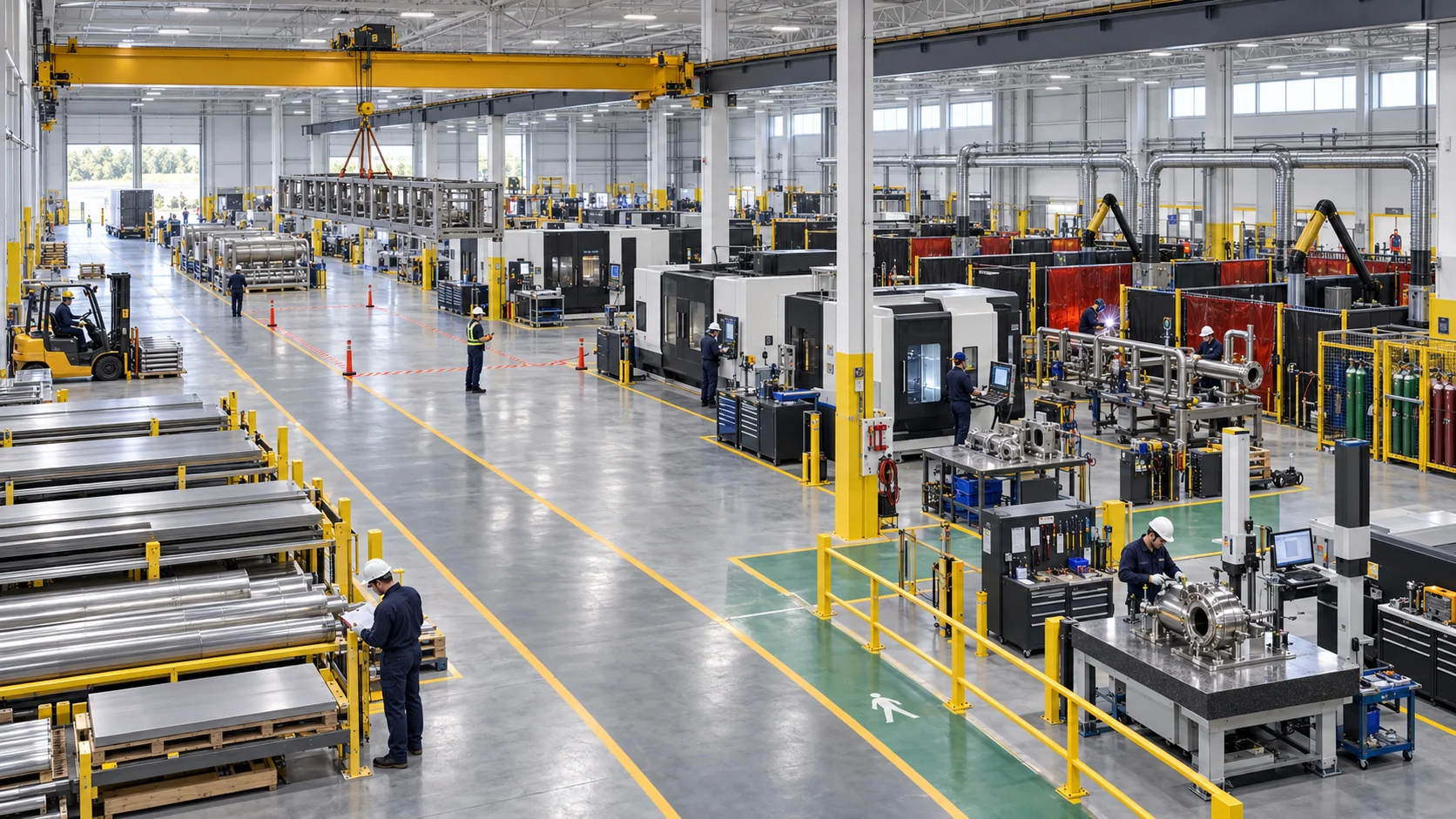
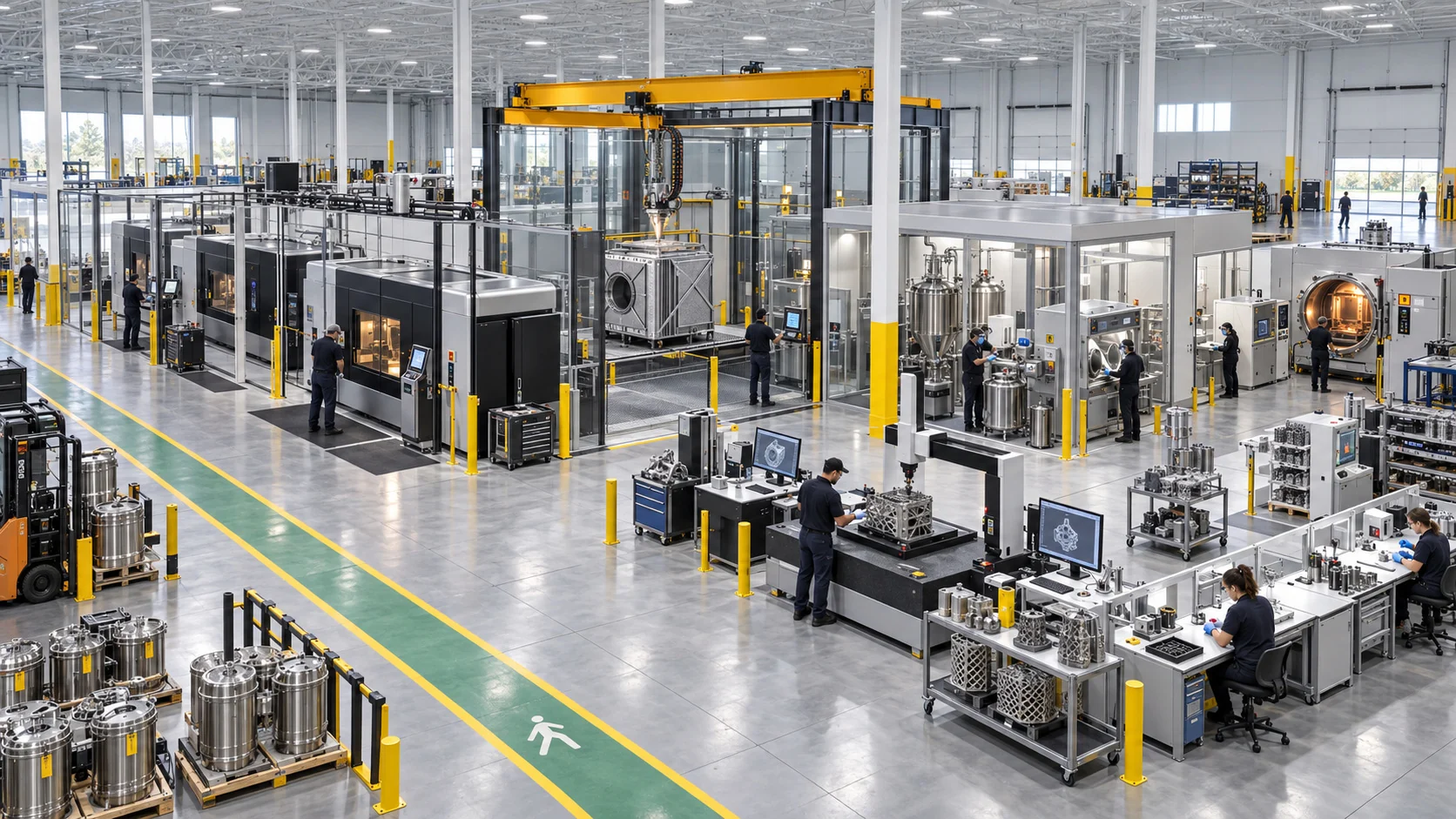
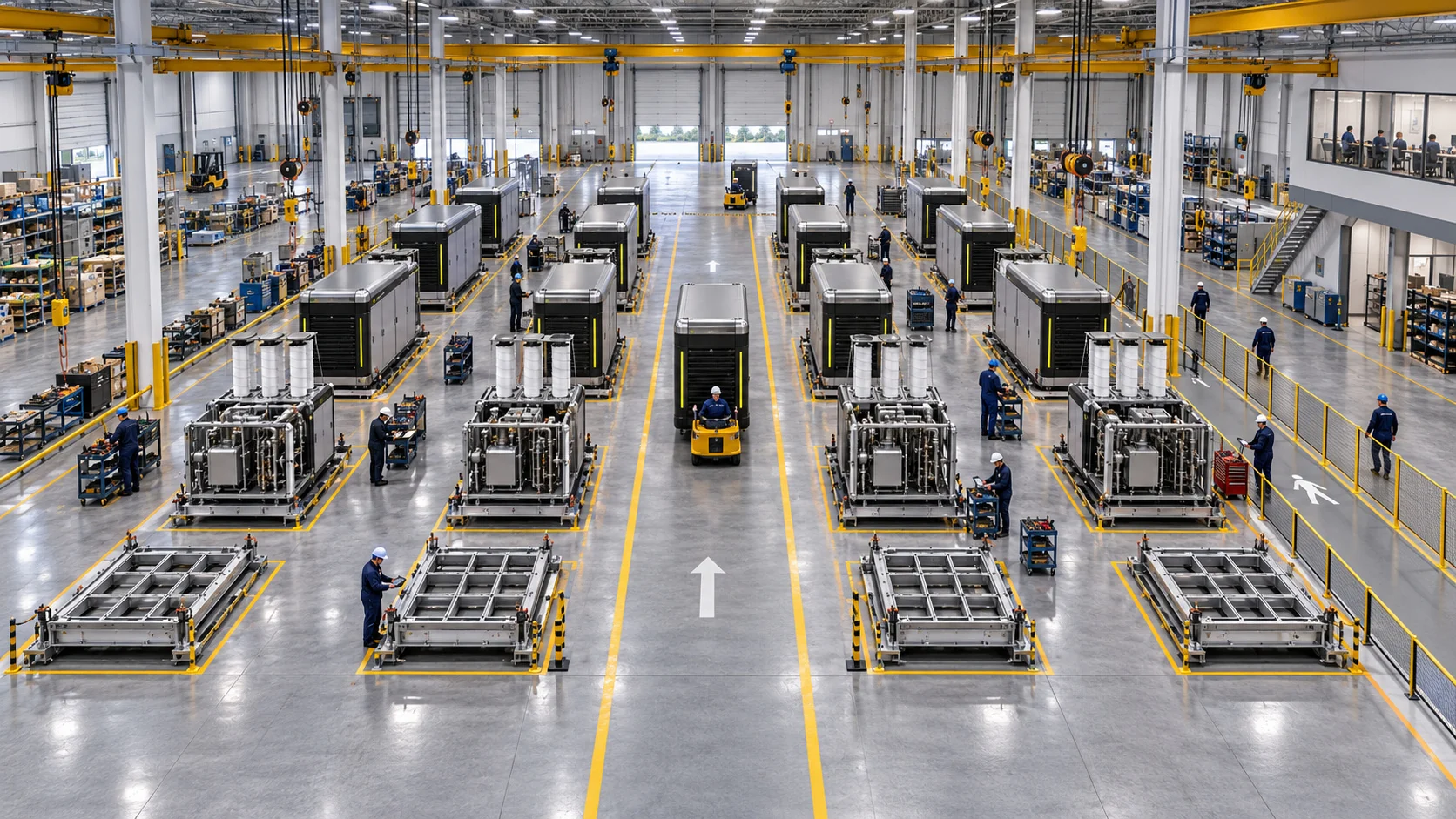
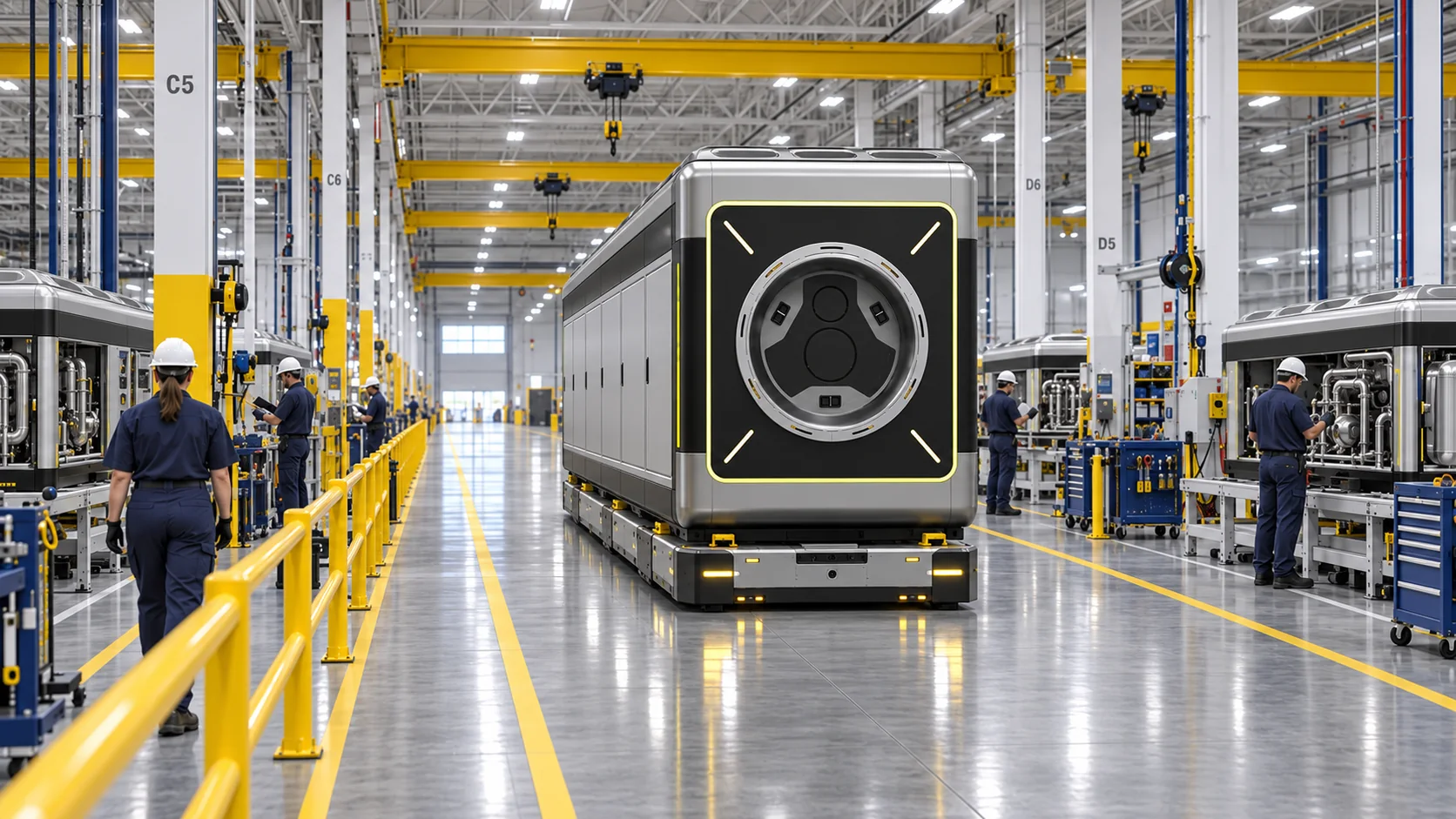
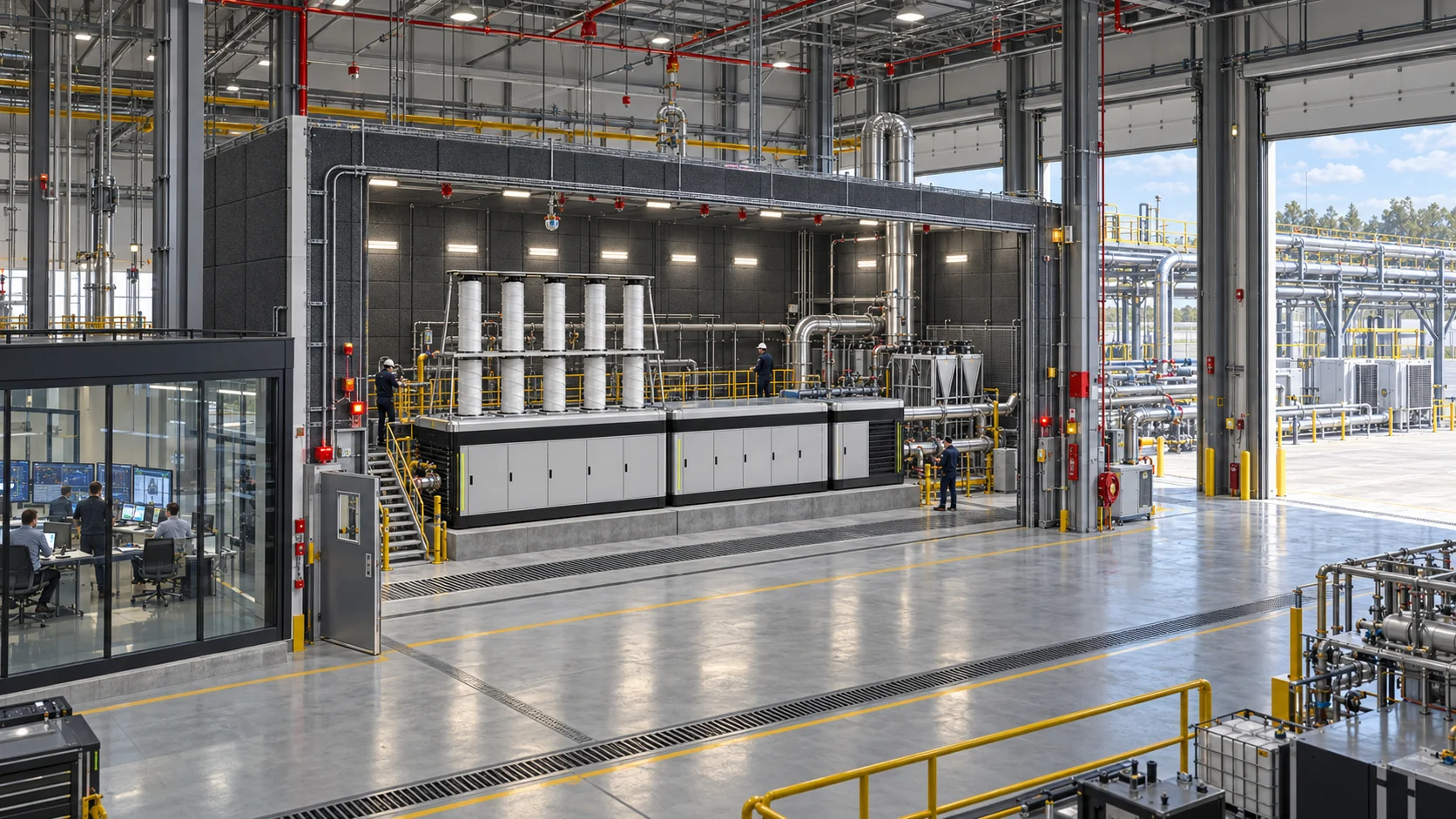
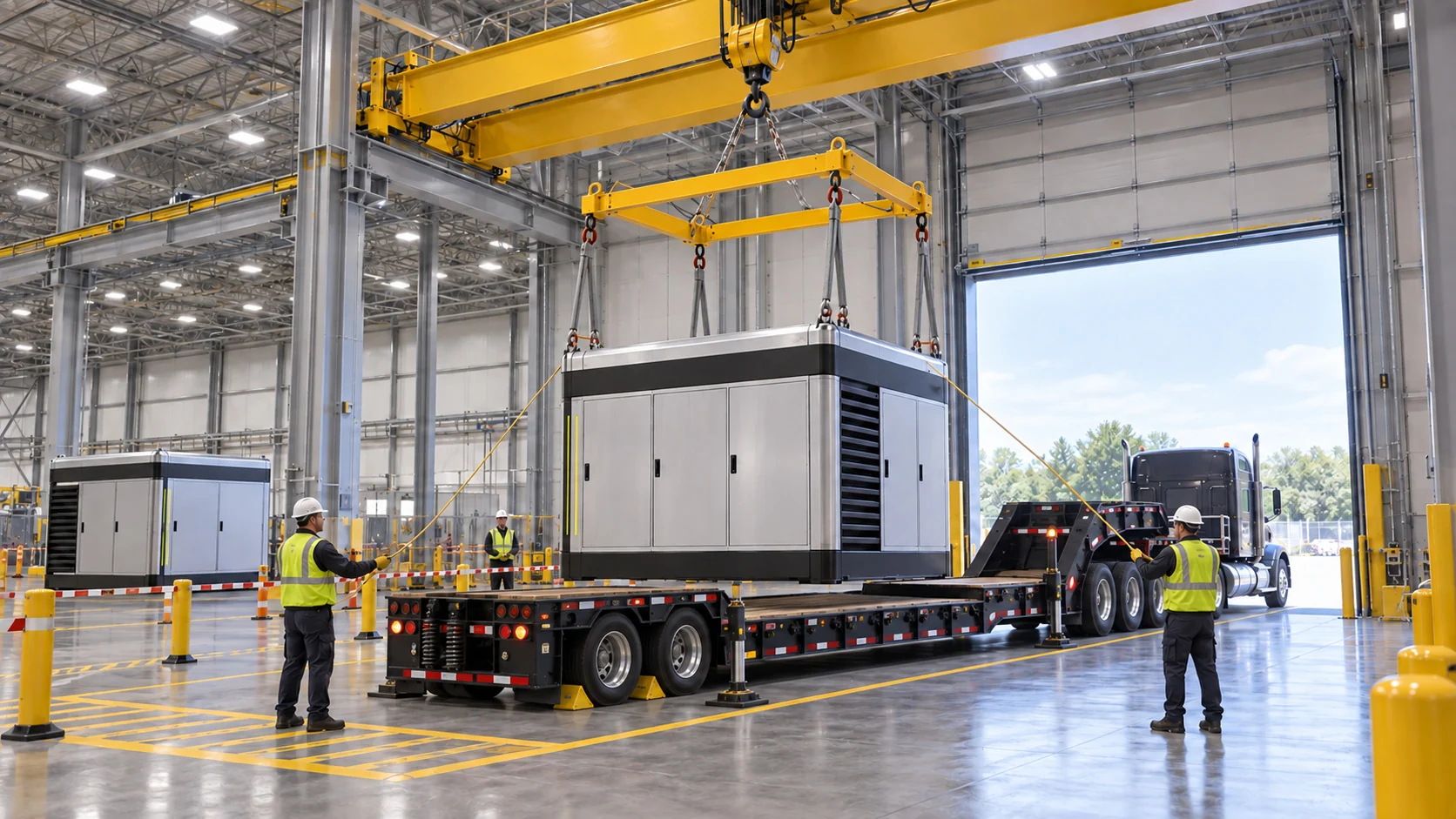
Redefining nuclear economics.
A target long-term LCOE of about $20/MWh, from factory-built reactors and a sovereign thorium fuel strategy.
Capital cost$M / MWe
Levelized cost$ / MWh
Sources: non-company benchmarks from publicly available third-party data (Lazard LCOE+ 2025 low-end estimates, U.S. EIA AEO2025, DOE and OECD/NEA advanced nuclear and SMR studies, peer-reviewed fusion economics). AMPERA values are internal target economics assuming scaled factory-built deployment and are not demonstrated commercial operating data. LCOE is the average cost to generate 1 MWh over a project's life, including capital, operations, maintenance and fuel. Capital cost is the estimated $M invested per MW of electricity.
Affiliations